ATF
ATF Civil
Special Protection
ATF protective solutions for civilian clothing and equipment, with a focus on discreet integration and comfort during prolonged wear.
About ATF Civil
ATF Civil describes civilian and discreet applications of ATF protective solutions. It focuses on integration into civilian clothing and equipment, with project priorities of low weight, flexibility, comfort and mobility during prolonged wear. The starting point is how the garment will be used, followed by the choice of model and configuration.
A civilian jacket, another garment or equipment needs a configuration suited to its wearing context and integration requirements. The same ATF model may be relevant to a civilian or professional system, depending on the intended use and project requirements.
Discreet use. Considered integration.
Discreet integration
Discreet integration starts with the appearance of civilian clothing or equipment, its intended use and the integration point. Define the garment and wearer needs so that the configuration suits your project.
Comfort and mobility
For prolonged wear, define priorities around low weight, flexibility, comfort and freedom of movement. Consider the selected model and configuration alongside the garment system and how it will be used.
Configuration for the application
Model selection follows the garment, wearing context and project requirements. The specific integration and available documentation are considered, rather than choosing from the segment name alone.
MODEL SPOTLIGHT
ATF71
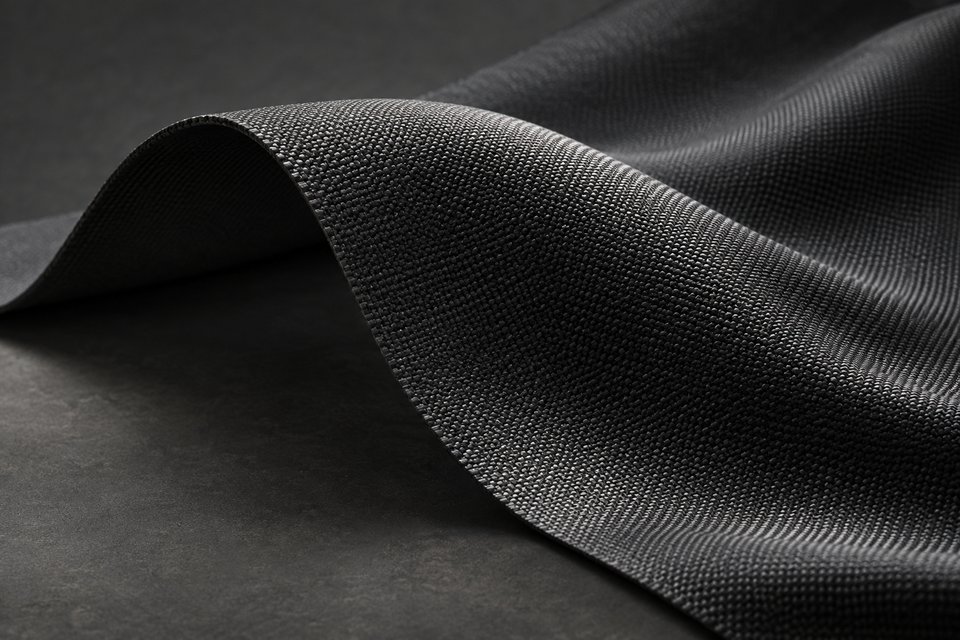
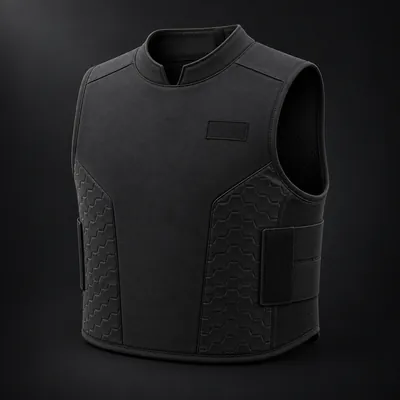
ATF71 is an Anti-Stab Insert with a multilayer composite construction based on UHMWPE fibers, intended for integration into protective garment systems.
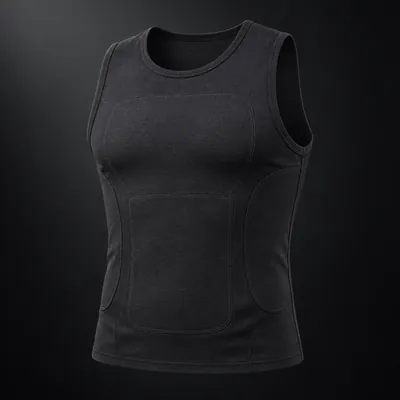
ATF71 combines low weight and flexibility with comfort and mobility during prolonged wear. Civil applications focus on discreet integration into civilian protective clothing, with the configuration selected for the specific garment system.
The ATF71 configuration is selected according to the intended use and system requirements. The same model may be relevant to Civil and Pro applications; the integration approach and available documentation guide selection for your project.
From civilian clothing to a specific system
Civilian outerwear
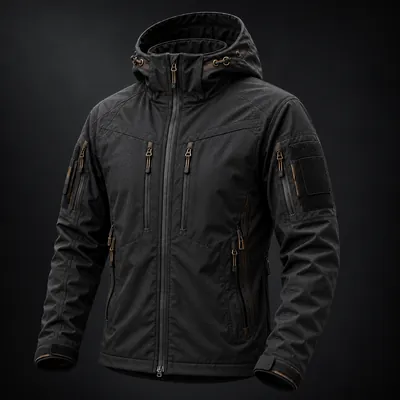
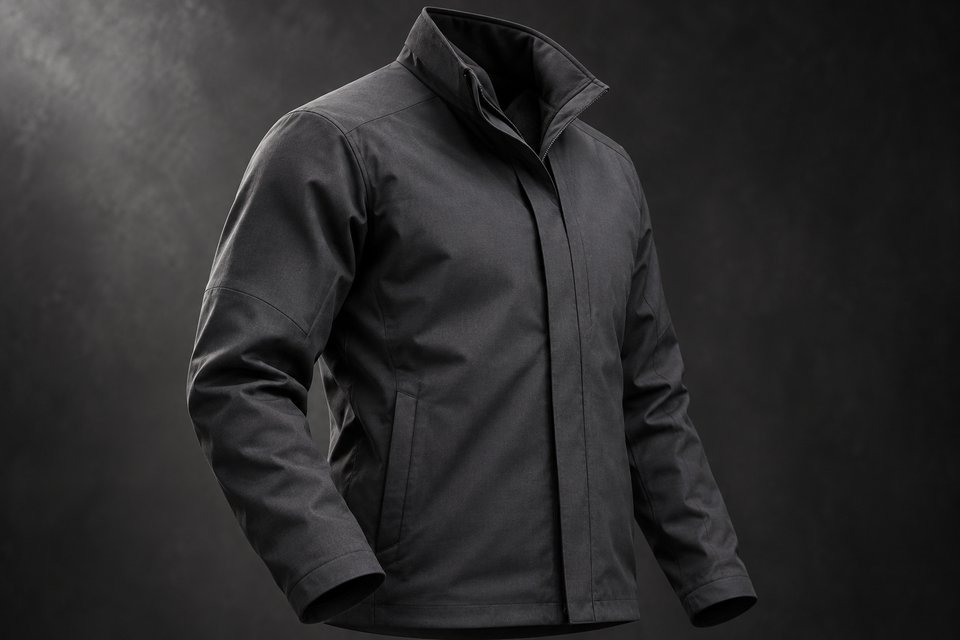
For a civilian jacket or another outerwear project, describe the intended use and wearing context. This provides a basis for considering ATF integration without assuming that one model suits every garment cut or system.
Discreet garment integration
ATF71 can be integrated into civilian covert protective clothing. Define what discreet use means for the garment and wearer, then connect that goal with the integration requirements.
A project-specific garment system
The garment, equipment and prolonged-wear context are considered together. Identify your priorities and the model you are considering so that the configuration and documentation discussion concerns your system.
Configuration follows the application
Connect civilian clothing or equipment with the integration approach, wearing conditions and documentation you need. Select the model and construction for the project. For everyday or prolonged use, identify your priorities to give the inquiry a clear starting point.
Requirements for civilian and discreet applications
Civilian and discreet application
Describe the civilian clothing or equipment into which you are considering integrating an ATF solution.
Wear and integration
What are your requirements for weight, flexibility, comfort and mobility during prolonged wear?
Model and documentation
Identify the model or configuration you are considering and the documentation you need.
Develop the ATF configuration for your system
Describe the civilian or discreet application, garment or equipment and integration requirements. Identify the model or configuration you are considering and the documentation you need. Discuss your project and the possibilities for custom development.